

Short answer: a citation is an online mention of your business Name, Address and Phone number (NAP), with or without a clickable link. A backlink is a clickable hyperlink from another website to yours. Some citations are technically backlinks, but the vast majority of them are tagged in a way that passes little to no ranking power. That single distinction is why so many local businesses buy 300 citations and see nothing happen. The team at pictureperfectrankings.com reached a similar conclusion.
This guide breaks down the difference properly, shows you which directory listings actually pass link equity and which do not, and gives you a simple way to decide where your next 500 EUR should go.
Citation vs Backlink: The Side-by-Side Comparison
| Criteria | Local Citation | Backlink |
|---|---|---|
| What it is | A mention of your business NAP data on another site | A hyperlink from another site pointing to a page on your site |
| Clickable link required? | No. A text mention with no link still counts | Yes, by definition |
| Primary job | Confirm your business exists, where it is and how to reach it | Signal authority, trust and relevance to a page or a domain |
| Mainly influences | Map pack / Google Business Profile visibility | Classic organic rankings, including local landing pages and service pages |
| Passes link equity? | Usually not (most directories use nofollow or redirect links) | Yes, when the link is followed and editorially placed |
| Volume logic | Consistency matters far more than quantity | Quality and relevance matter far more than quantity |
| Typical cost | Low, one-off foundation plus yearly cleanup | Higher, ongoing, needs outreach or content |
| Diminishing returns after | Roughly 30 to 60 accurate, relevant listings | Never, but only if quality holds |
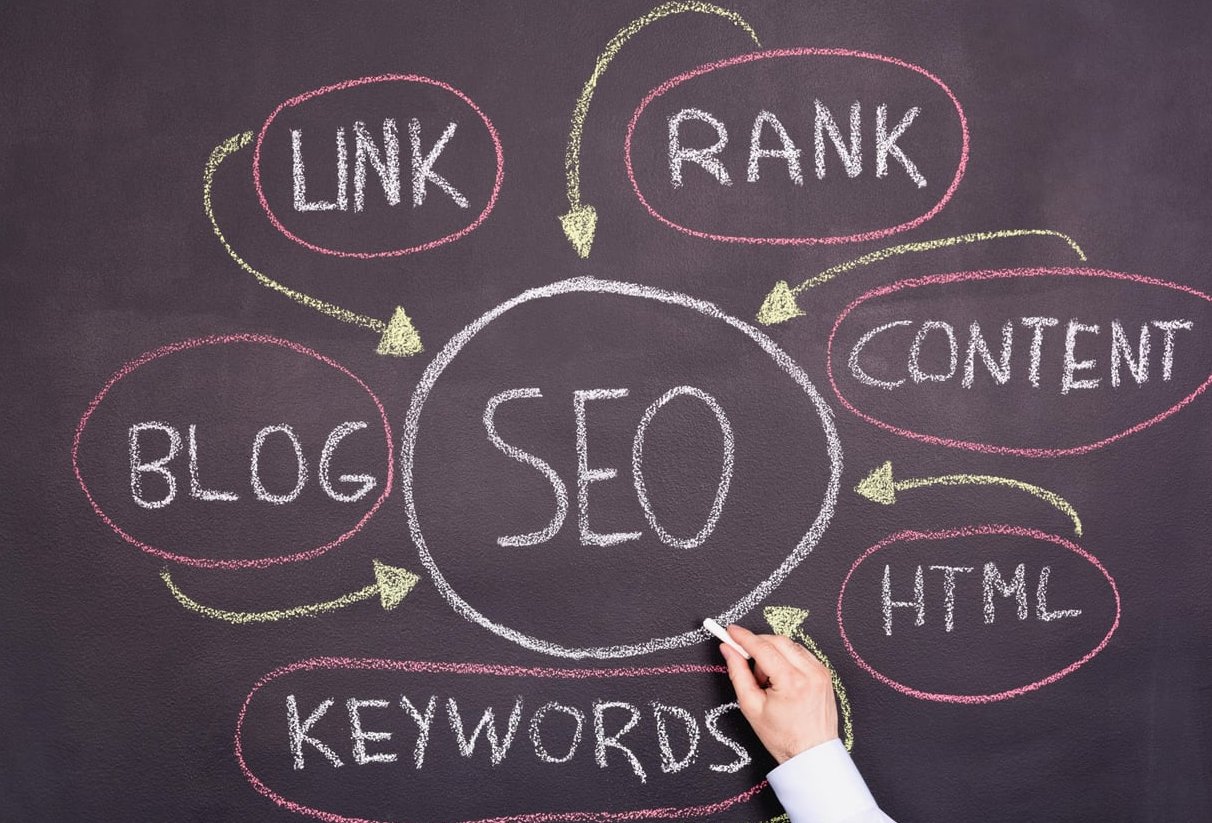
What Exactly Is a Local Citation?
A citation is any place on the web where your business identity data appears. Google and other engines cross-check that data to validate that your business is real, still trading and located where you claim to be.
Structured citations
These are listings inside a defined template, with fields for name, address, phone, website, hours and categories. Examples:
- Google Business Profile, Bing Places, Apple Business Connect
- Yelp, Yellow Pages, Pages Jaunes, Foursquare
- Sector directories (TripAdvisor for hospitality, Houzz for renovation, Avvo for law, Doctolib style platforms for health)
- Chamber of commerce and trade association member lists
Unstructured citations
These are free-form mentions inside normal content. Examples:
- A local newspaper article that writes “The Crazy Pixel, 12 Rue Example, Paris, 01 23 45 67 89”
- A blog post reviewing your shop and giving the address
- A press release, an event page, a sponsorship page listing your business details
Key point: unstructured citations are usually the more valuable ones, because they often come with a real editorial link attached. That is the moment a citation and a backlink become the same asset.
What Exactly Is a Backlink?
A backlink is a hyperlink on someone else’s website that points to yours. Example in raw HTML: <a href='https://thecrazypixel.com/'>The Crazy Pixel</a>.
What decides whether that link is worth anything:
- The rel attribute. A plain link passes equity. A link with
rel="nofollow",rel="sponsored"orrel="ugc"tells Google not to pass ranking credit in the normal way. - Editorial placement. A link inside the body of an article beats a link buried in a footer, sidebar or member list.
- Topical and geographic relevance. A link from a regional news site or a local supplier is worth far more to a local business than a generic worldwide directory.
- Whether the page is indexed. If the page hosting your link is not in Google’s index, the link is decoration.
- Real traffic potential. In 2026, links that also send qualified visitors are the safest ones to invest in.
Directory Listings That Pass Link Equity vs Those That Do Not
This is where budgets get burned. Most of the “500 citations for 49 EUR” packages produce links that pass nothing. Here is a realistic breakdown. Always verify the rel attribute yourself, because platforms change their policies.
| Type of listing | Examples | Usual link treatment | Real value |
|---|---|---|---|
| Core map platforms | Google Business Profile, Bing Places, Apple Business Connect | Not a classic backlink at all, it is a data record | Very high for the map pack, zero for link equity |
| Major consumer directories | Yelp, Yellow Pages, Foursquare, BBB, Trustpilot | Nofollow or redirected in most cases | Good for NAP validation, reviews and referral clicks, weak for equity |
| Social and profile pages | Facebook, LinkedIn, Instagram, Crunchbase, Pinterest | Nofollow / ugc | Brand consistency and entity signals only |
| Data aggregators | Foursquare, Data Axle and equivalent national providers | No public link at all in many cases | Useful for pushing clean data downstream |
| Chambers of commerce and trade bodies | Local chamber, guild, certified installer lists | Often followed | Strong: local relevance plus real equity |
| Supplier and partner pages | “Where to buy”, “Find a dealer”, “Our partners” | Usually followed | Strong and heavily underused |
| Local media and community sites | Regional news, city blogs, event calendars, club sponsorships | Followed when editorial, sponsored when paid | Highest value for local SEO overall |
| Spun / bulk directories | Sites with no traffic, no moderation, hundreds of countries | Often followed, and that is exactly the problem | Negative to neutral, avoid |
How to check a directory in 30 seconds
- Open the live listing page of any competitor already on that directory.
- Right click on their website link and choose “Inspect”.
- Look at the
<a>tag. If you seerel="nofollow",rel="sponsored"or a tracking redirect URL, no equity is passed. - Copy the listing page URL and search it in Google with
site:. If it does not appear, the page is not indexed and the link is worthless. - Check whether the directory sends real people. If nobody uses it in your city, skip it.
So Which One Helps Local SEO More?
Wrong question, and this is where most agencies oversell. The honest answer depends on what is broken.
Citations win when your problem is the map pack
If your Google Business Profile is barely showing outside a 1 km radius, or your data is inconsistent across the web, citations are the cheap fix. They help Google trust the entity. But their effect is a threshold, not a slope: once you have a clean, consistent core set, listing number 250 changes nothing. Reference: https://dlmconversion.com.
Backlinks win when your problem is organic rankings
If your service pages, city landing pages or blog articles never rank in the classic blue links, no amount of directory submissions will move them. Those pages need authority, and authority comes from links. Links also increasingly feed the map pack indirectly, because your website’s overall strength is one of the inputs Google uses to rank a local business.
The practical hierarchy for a local business in 2026
- A complete, verified, actively managed Google Business Profile
- Reviews, with real volume and recency
- A clean core citation set (30 to 60 relevant listings, perfectly consistent NAP)
- Genuine local and topical backlinks, built continuously
- Content that deserves those links in the first place
Stop Wasting Budget: How to Diagnose What You Actually Need
Run these five checks before you buy anything.
- Search your exact business name + city. If wrong addresses or old phone numbers appear, you have a citation problem.
- Compare your referring domains to the top 3 competitors. If they have 120 referring domains and you have 14, you have a link problem.
- Check your map pack visibility from different points in your city using a grid rank tracker. Weak everywhere except at your own address usually points to weak entity signals plus weak site authority.
- Look at your service pages in Search Console. Impressions but no clicks means a ranking problem, not a listing problem.
- Audit what you already bought. Export any citation package report and check how many of those pages are still live and indexed. Many are not.
Red flags in citation packages
- Promised volumes in the hundreds or thousands
- Directories in countries where you do not operate
- No mention of NAP cleanup or duplicate removal
- The word “backlink” used interchangeably with “citation” in the sales page
- No login credentials handed over, so you cannot edit the listing later
Red flags in link packages
- Guaranteed Domain Rating or Domain Authority numbers
- Fixed monthly quantities of links with no editorial context
- Placements on sites that publish 40 unrelated articles per day
- No disclosure of the target URL and anchor strategy
A Simple 90 Day Plan That Uses Both Correctly
| Phase | Focus | Deliverables |
|---|---|---|
| Days 1 to 30 | Citation foundation | Lock one canonical NAP format, claim core platforms, fix or delete duplicates, build 20 to 40 relevant listings |
| Days 31 to 60 | Easy legitimate links | Chamber of commerce, trade associations, supplier dealer pages, local sponsorships, client and partner pages |
| Days 61 to 90 | Earned links | One genuinely useful local resource, local press outreach, expert quotes, case studies with named partners |
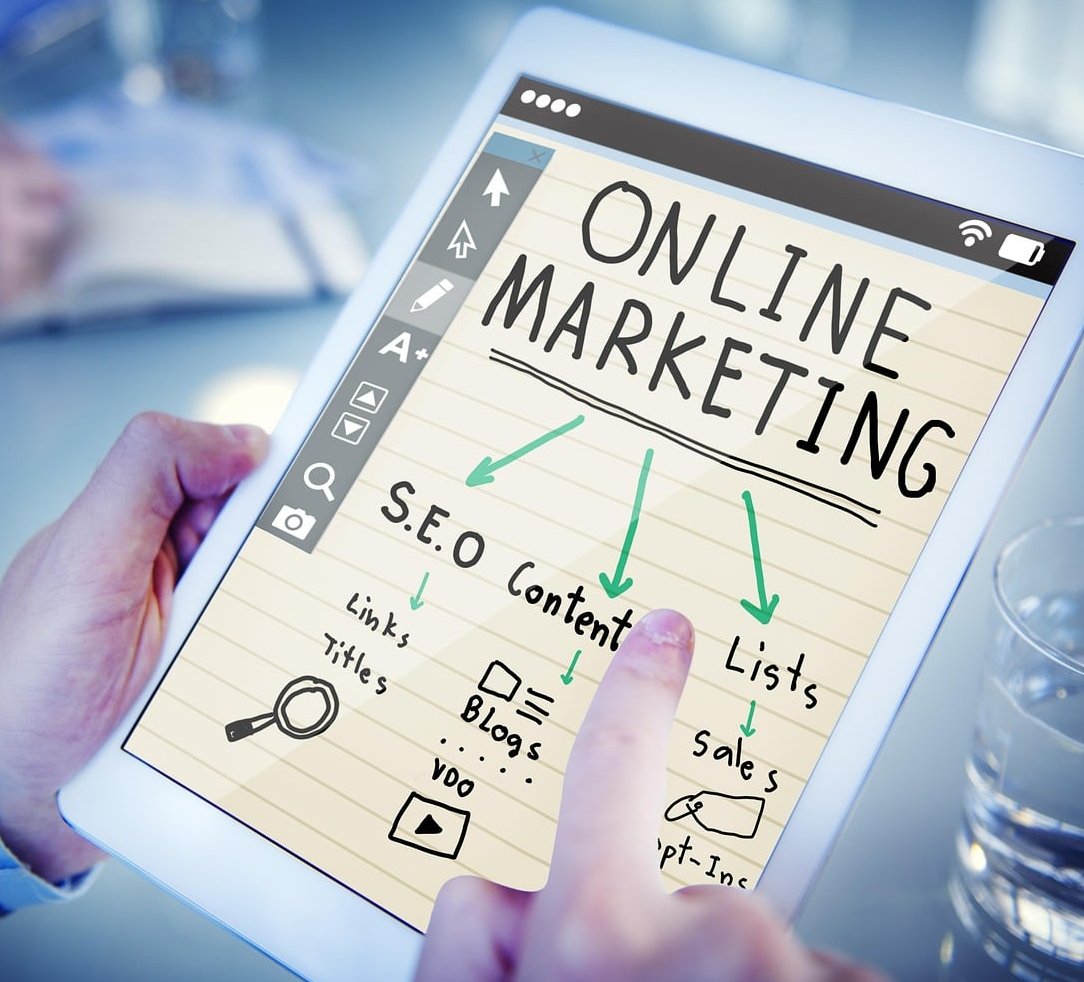
Key Takeaways
- A citation validates who and where you are. A backlink validates how credible your site is.
- Every backlink from a directory is a citation, but most citations are not useful backlinks.
- Citations have a ceiling. Links do not.
- Check the rel attribute before paying anyone for a listing sold as a “link”.
- If your map pack is weak, start with citations and reviews. If your website pages are weak, start with links and content.
FAQ
Are backlinks still relevant in 2026?
Yes. Links remain one of the strongest signals of trust and authority, and they also influence how AI-driven search surfaces cite sources. What has changed is tolerance: bulk, irrelevant or clearly paid link patterns get devalued much faster than they used to, so a small number of genuinely relevant links now outperforms large volumes of cheap ones.
What is a backlink with example?
A backlink is a link from another website to yours. Example: a regional newspaper publishes an article about local businesses and writes “The Crazy Pixel helped 40 shops go online”, with the brand name linking to thecrazypixel.com. That is a backlink. If the same article also prints your address and phone number, it is a backlink and a citation at the same time.
What does citation mean in SEO?
In SEO, a citation means any online reference to your business Name, Address and Phone number, whether or not it links to your site. Citations are mainly used by search engines to confirm that a local business is real and consistently described across the web.
Do citations count as backlinks?
Only when the listing includes a real, followed, indexed hyperlink to your website. Many well known directories use nofollow or redirect links, so they count as citations and referral sources but pass little to no link equity.
Are referring domains the same as backlinks?
No. A referring domain is a unique website linking to you. That single website could send you 50 backlinks. For local SEO, 50 links from one domain are worth far less than 50 links from 50 different relevant domains, which is why you should track referring domains as your main growth metric.
How many citations does a local business really need?
For most local businesses, 30 to 60 accurate and relevant listings cover the essentials: the core map platforms, the main national directories, and the sector or city specific ones customers actually use. Beyond that, redirect the budget toward links, content and reviews. There is a practical rundown of it online.
Can bad citations hurt my rankings?
Inconsistent citations can. Old addresses, a former phone number or duplicate profiles create conflicting signals and can suppress map pack visibility. Low quality directory links are more often ignored than penalised, but they still waste budget and clutter your link profile.
Need Help Deciding Where Your Budget Should Go?
At The Crazy Pixel, we audit your citations and your link profile together, then tell you plainly which one is holding you back. No 500 listing packages, no guaranteed authority scores, just the work that moves local rankings. Get in touch for a local SEO audit.