

Most local business owners treat their flyers, events, and Google Business Profile as separate universes. That is exactly why they leave money on the table. When you integrate local SEO with offline marketing, every printed piece, sponsored event, and handshake starts feeding your online visibility, and vice versa.
This guide gives you 8 field-tested tactics you can put in place this quarter. No theory, no fluff, just crossovers that compound.
Why Bridging Offline and Local SEO Matters in 2026
Google’s local algorithm still relies heavily on three pillars: relevance, proximity, and prominence. Offline activity feeds prominence in ways pure digital work cannot:
- Physical events generate press mentions and local backlinks
- Print collateral drives branded searches (a strong ranking signal)
- In-store interactions produce reviews, the currency of the local pack
- Sponsorships create authoritative NAP citations from local domains
In short, offline marketing is a citation and review engine hiding in plain sight. Let’s plug it in.

1. Put Smart QR Codes on Every Piece of Print Collateral
Static flyers are dead weight. Dynamic QR codes turn them into trackable SEO assets.
What to link the QR code to
- A location-specific landing page (not the homepage)
- Your Google Business Profile review link
- A booking page with UTM parameters
- A WhatsApp or SMS click-to-chat
Pro tip: use a different QR code per print run (menus, flyers, business cards). You will finally know which offline channel actually drives foot traffic and calls.
2. Turn Local Events into Citation and Backlink Goldmines
Sponsoring or hosting a local event is one of the most underrated local SEO tactics.
Every event typically produces:
- A listing on the organizer’s website (backlink + citation)
- Coverage on local news portals
- Mentions on chamber of commerce sites
- Posts on community Facebook groups that get indexed
Before you sign a sponsorship check, ask the organizer for a dofollow link with your exact business name, address and phone number. Most say yes because nobody else asks.

3. Use Print to Drive Google Reviews (Not Just Sales)
Reviews influence rankings and clicks. Print is the most underused review-generation channel.
Practical implementations:
- Receipt footers with a short review URL and QR code
- “Thank you” cards slipped into every bag or invoice
- Table tents with a friendly review prompt
- Post-service leave-behind cards for home service pros
Keep the ask human. Something like “If we made your day better, share it on Google” outperforms robotic language every time.
4. Align Your NAP Across Every Offline and Online Touchpoint
NAP consistency (Name, Address, Phone) is table stakes, yet most businesses fail here because print and digital are managed by different people.
| Touchpoint | Common Mistake | Fix |
|---|---|---|
| Business cards | Abbreviated street name | Match GBP exactly |
| Flyers | Old phone number | Audit before every print run |
| Vehicle wraps | No URL | Add short vanity URL |
| Event booths | Different brand name | Use legal GBP name |
5. Convert Direct Mail into Branded Search Volume
Branded searches (people typing your business name into Google) are a strong local ranking signal. Direct mail is one of the fastest ways to trigger them.
How to engineer this:
- Design mailers with a strong, memorable brand name and offer
- Skip the long URL, use a short branded one instead
- Time your send with a Google Business Profile post that mirrors the offer
- Watch “Searches for your business name” in GBP Insights climb over 2 to 4 weeks

6. Feed Your Google Business Profile with Real Offline Content
Your GBP is starving for fresh, authentic content. Your offline activities produce it daily.
- Event photos uploaded within 48 hours
- Behind-the-scenes shots from your workshop, kitchen or job site
- GBP posts announcing every sponsorship, workshop or in-store promo
- Q&A answers based on questions you actually get in person
Businesses posting weekly on GBP typically see a measurable lift in map pack impressions within 60 days.
7. Partner With Complementary Local Businesses (Both Ways)
Cross-promotion works offline for foot traffic and online for backlinks.
Example: a wedding photographer partners with a florist and a venue. They:
- Display each other’s flyers in-store
- Link to each other from a “trusted partners” page (contextual local backlinks)
- Co-host one styled shoot per quarter, generating shared press coverage
- Tag each other on GBP posts and Instagram
This is the closest thing to a white-hat link building shortcut in the local space.
8. Track Offline to Online with Clean Attribution
You cannot improve what you do not measure. Build a lightweight attribution stack:
- Unique phone numbers per print campaign (call tracking)
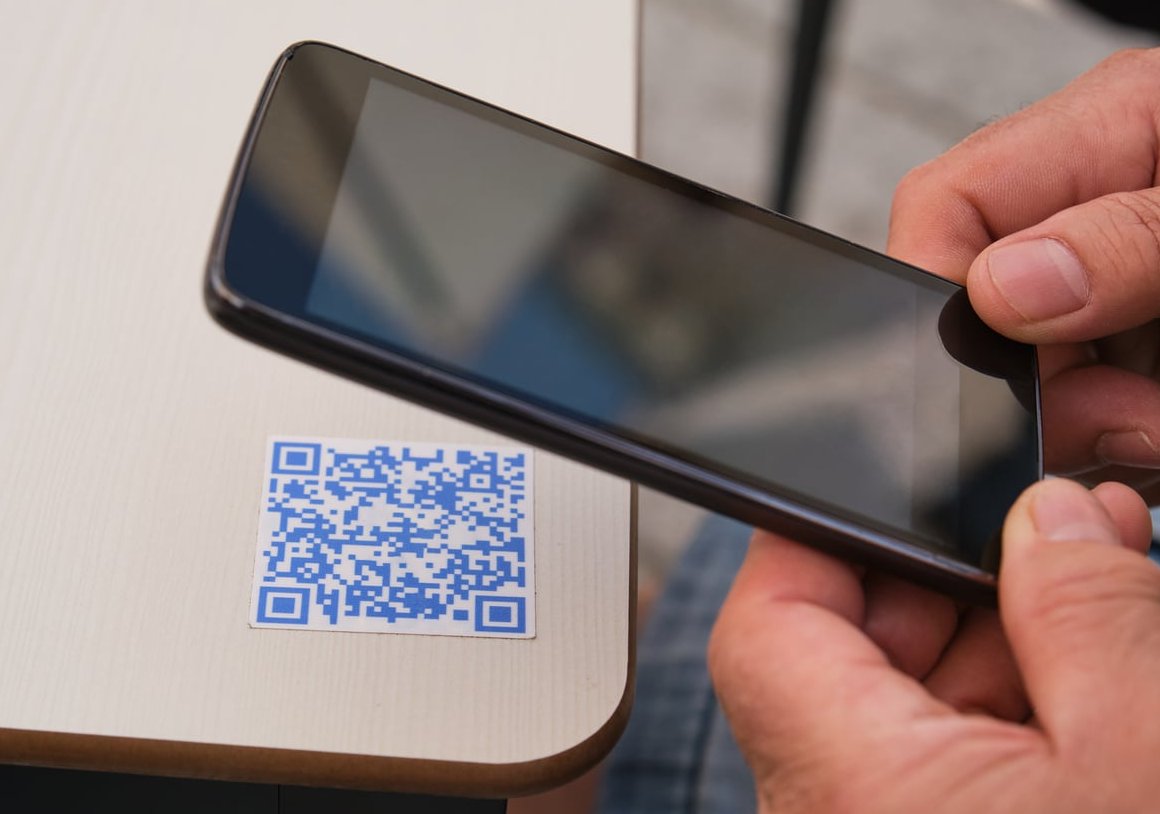
- UTM-tagged QR codes for each offline asset
- Coupon codes tied to specific flyers or mailers
- “How did you hear about us?” in every intake form
Within 90 days you will know which offline channels deserve more budget and which are draining your marketing spend.
A 30-Day Action Plan to Integrate Local SEO with Offline Marketing
| Week | Action |
|---|---|
| 1 | Audit NAP across all print, vehicles, and signage |
| 2 | Add dynamic QR codes to receipts and thank-you cards |
| 3 | Pitch or confirm one local event sponsorship with a backlink clause |
| 4 | Launch a review push tied to a printed leave-behind card |
Frequently Asked Questions
Does offline marketing directly influence Google rankings?
Not directly, but it fuels signals Google absolutely uses: branded searches, review volume, local backlinks, citations, and engagement on your Google Business Profile.
What is the fastest offline tactic to improve local SEO?
Printed review prompts. A well-designed leave-behind card can double your monthly Google reviews within 30 days, which visibly improves map pack rankings.
Should small businesses invest in print in 2026?
Yes, when it is tied to trackable digital touchpoints. Print alone is expensive to measure. Print with QR codes, unique phone numbers and coupon codes becomes a performance channel.
How do I get local backlinks from offline activities?
Sponsor local events, join your chamber of commerce, host workshops, and partner with non-competing local businesses. Always request that your business is listed with a link to your website.
How long before I see results?
Expect early signals (more reviews, more branded searches, more direct calls) within 30 to 60 days. Ranking improvements in the map pack typically follow within 3 to 6 months of consistent execution.
Final Thought
The businesses winning local search in 2026 are not the ones with the biggest ad budgets. They are the ones who treat every offline touchpoint as a chance to feed their digital presence. Start with two or three tactics from this list, measure honestly, and let the compound effect do the rest.