
What Is Community-Based Link Building?
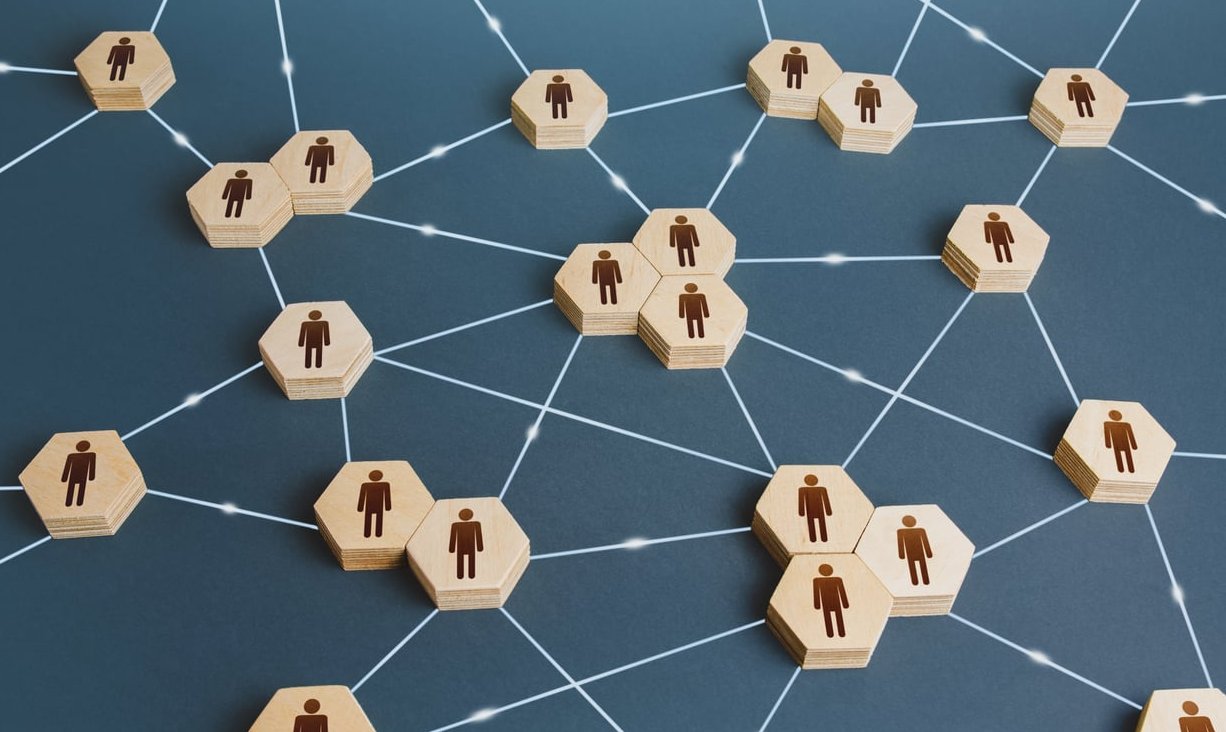
Community based link building is the practice of earning backlinks by genuinely participating in your local ecosystem. Instead of chasing random guest posts or buying links, you build real relationships with neighborhood organizations, charities, schools, sports clubs, local media, and other businesses in your service area. Those relationships naturally turn into mentions, profile pages, sponsor logos, and editorial links, all pointing back to your website.
For a plumber in Lyon, a roofer in Austin, or a dental clinic in Manchester, this approach is one of the most powerful ways to rank in the local pack and on Google Maps in 2026. It’s white-hat by design, hard for competitors to replicate, and it builds trust with both Google and your future customers.
Why Community Links Matter More Than Ever in 2026
Google’s local algorithm rewards relevance, prominence, and proximity. Community links hit all three at once:
- Relevance: A backlink from your city’s chamber of commerce tells Google exactly where you operate.
- Prominence: Being mentioned by trusted local entities boosts your perceived authority in that geographic area.
- Proximity signals: Local co-citations (your name appearing next to local landmarks, neighborhoods, or events) reinforce your service-area footprint.
Unlike generic link building, these backlinks are nearly impossible to fake, which is exactly why search engines love them.
How Community-Based Link Building Differs From Traditional Link Building
| Traditional Link Building | Community-Based Link Building |
|---|---|
| Cold outreach to bloggers worldwide | Real-world relationships with local entities |
| Guest posts on generic websites | Sponsorship pages, event recaps, partner listings |
| Volume-focused | Relevance and trust focused |
| Risky if overdone | Sustainable and brand-building |
7 Community Link Building Tactics That Work for Service-Area Businesses
1. Sponsor Local Sports Teams and Youth Clubs
Almost every amateur club has a website with a “Sponsors” or “Partners” page. A modest sponsorship (jerseys, equipment, a tournament trophy) usually earns a logo plus a do-follow link.
- Youth soccer, basketball, or rugby teams
- Local marathons and charity 5Ks
- School athletic departments
2. Partner With Local Charities and Non-Profits
Donate services, volunteer hours, or a percentage of monthly revenue. Charities frequently publish thank-you pages, partner directories, and event recaps that link back to contributors.
3. Host or Co-Host Local Events
Workshops, free clinics, open houses, or pop-up events get picked up by:
- Local newspapers and online magazines
- Event aggregators (Eventbrite, Meetup, city calendars)
- Bloggers covering your neighborhood
4. Join Your Chamber of Commerce and Business Improvement Districts
Membership almost always includes a profile page with a backlink. Bonus: chambers often promote member events and news.
5. Offer Scholarships or Grants to Local Students
A small scholarship for a local trade school or community college can earn a link from a .edu domain, which carries serious weight.
6. Cross-Promote With Complementary Local Businesses
If you’re a wedding photographer, partner with florists, venues, and caterers. Exchange genuine recommendations on “Vendors We Love” or “Trusted Partners” pages.
7. Pitch Local Journalists With Newsworthy Angles
Use HARO alternatives, Qwoted, or simply email reporters at your city paper. Hyper-local stories (a milestone anniversary, a community initiative, a unique hire) get coverage other businesses can’t easily replicate.
Outreach Examples You Can Steal
Email Template 1: Sponsorship Inquiry
Subject: Local business interested in supporting [Team/Club Name]
Hi [Coach/Director Name],
I’m [Your Name], owner of [Business Name] here in [City]. My family has cheered on [Team] for years, and I’d love to discuss becoming a sponsor for the 2026 season. Could you send over your sponsorship packages, or do you have time for a quick call this week?
Thanks,
[Your Name]
Email Template 2: Charity Partnership
Subject: Donating 5% of May revenue to [Charity Name]
Hi [Director],
We’d like to dedicate a full month of giving to [Charity]. Every [service] booked in May 2026 will contribute 5% directly to your organization. We’d be honored if you’d help us spread the word and we’re happy to co-create a landing page if useful.
Best,
[Your Name]
Email Template 3: Local Journalist Pitch
Subject: Story idea: [City]’s only [unique angle]
Hi [Reporter],
I read your piece on [recent article] and thought you might be interested in something happening at [Business Name]. We’re [unique local angle, milestone, or initiative]. Happy to share photos, data, or set up a visit. Available all week.
Quick-Win Ideas by Industry
| Industry | Community Link Idea |
|---|---|
| Plumber / HVAC | Free emergency clinic for senior centers, sponsor Little League |
| Dentist | Free dental day at local schools, sponsor youth sports |
| Law firm | Free legal workshops at libraries, scholarship program |
| Restaurant | Host charity dinners, partner with local farms |
| Landscaper | Adopt a public park, donate to community gardens |
| Realtor | Host neighborhood block parties, sponsor school fundraisers |
How to Track Your Community Link Building Efforts
- Build a simple spreadsheet with columns for: organization, contact, date contacted, status, link earned, anchor text.
- Use Ahrefs, Semrush, or Google Search Console monthly to verify new referring domains.
- Monitor your Google Business Profile insights for direction requests and local impressions, your real KPIs.
- Document wins with screenshots, sponsor pages disappear when seasons change.
Common Mistakes to Avoid
- Treating sponsorships as transactions: Google can spot a paid-link pattern. Pick causes you actually care about.
- Ignoring the nofollow attribute: Even nofollow links from authoritative local sites add real value through brand mentions and traffic.
- Forgetting NAP consistency: Make sure your Name, Address, and Phone match across every partner page.
- Doing it once and stopping: Community link building is a continuous practice, not a campaign.
Final Thoughts
Community based link building is the most authentic, durable, and Google-friendly local SEO strategy available in 2026. It rewards businesses that genuinely care about their neighborhoods, and it punishes shortcuts. Start with one sponsorship, one event, or one charity partnership this month, then build from there. Within a year, your backlink profile will look like something competitors simply can’t replicate.
Need help mapping out a community link strategy for your service area? The Crazy Pixel builds local SEO campaigns that turn real-world relationships into top-three rankings. Get in touch and let’s plan your local domination.
FAQ: Community-Based Link Building
Is community link building only for small businesses?
No. Multi-location brands and franchises benefit even more because they can replicate the playbook in every service area, multiplying local authority signals.
How many community backlinks do I need to rank locally?
There’s no magic number. In low-competition areas, 5 to 15 highly relevant local links can move the needle. In competitive metros, plan for 30+ over 12 months.
Are sponsorship links considered paid links by Google?
Pure cash-for-link transactions are risky. Genuine sponsorships tied to real community involvement are accepted, especially when the sponsor page lists multiple partners and isn’t built solely for SEO.
How long until I see SEO results?
Expect 3 to 6 months for local pack movement, and 6 to 12 months for sustained organic ranking improvements. Community links compound over time.
Can I do community link building without a physical office?
Yes. Service-area businesses (plumbers, mobile groomers, contractors) succeed using their service zones as the geographic anchor. Just make sure your Google Business Profile is correctly set up as a service-area business.